
PM E-Drive Scheme India is being revised as the government updates its approach to accelerate electric vehicle adoption while improving efficiency. The changes include stricter timelines, revised incentive structures, and better control over fund utilisation.
These updates reflect a shift toward a more balanced and sustainable EV growth strategy as the market continues to evolve.
The government has introduced tighter deadlines for eligibility under the scheme, ensuring that incentives are used within a defined timeframe. This is aimed at speeding up implementation and avoiding delays in achieving adoption targets.
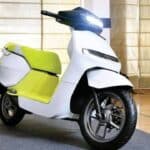
Another key change is the introduction of caps on incentives, particularly for electric two-wheelers and three-wheelers. This indicates a gradual move away from heavy subsidies as the EV market begins to mature.
🚀 Join Our Tech Community!
Get the latest news, updates, and tech trends delivered straight to your phone. Never miss an update!
The PM E-Drive scheme continues to support multiple segments, including two-wheelers, three-wheelers, buses, and charging infrastructure. However, the revised approach focuses on optimising how subsidies are distributed across these categories.
The evolving subsidy structure suggests that incentives for mass-market segments may be reduced over time. At the same time, support for areas like electric buses and infrastructure remains important to ensure overall ecosystem growth.
The revision also highlights the government’s focus on better utilisation of allocated funds. By setting limits and clearer conditions, authorities aim to ensure that resources are used efficiently without overspending.
For the industry, these changes mean adapting to a new phase of growth where reliance on subsidies will gradually decrease. Manufacturers will need to focus more on cost efficiency, innovation, and localisation to stay competitive.
For consumers, the updated scheme may lead to reduced upfront incentives over time. However, it also signals that EVs are becoming more affordable and viable without heavy government support.
Overall, the revised PM E-Drive Scheme India marks a transition from subsidy-driven expansion to a more sustainable growth model. It reflects the government’s long-term vision of building a strong and self-reliant electric mobility ecosystem.
The government has revised the PM E-Drive scheme with stricter deadlines and capped incentives.
The move aims to improve efficiency, ensure better fund utilisation, and accelerate EV adoption.
The updated policy signals a shift toward a more sustainable and self-reliant electric vehicle market in India.