
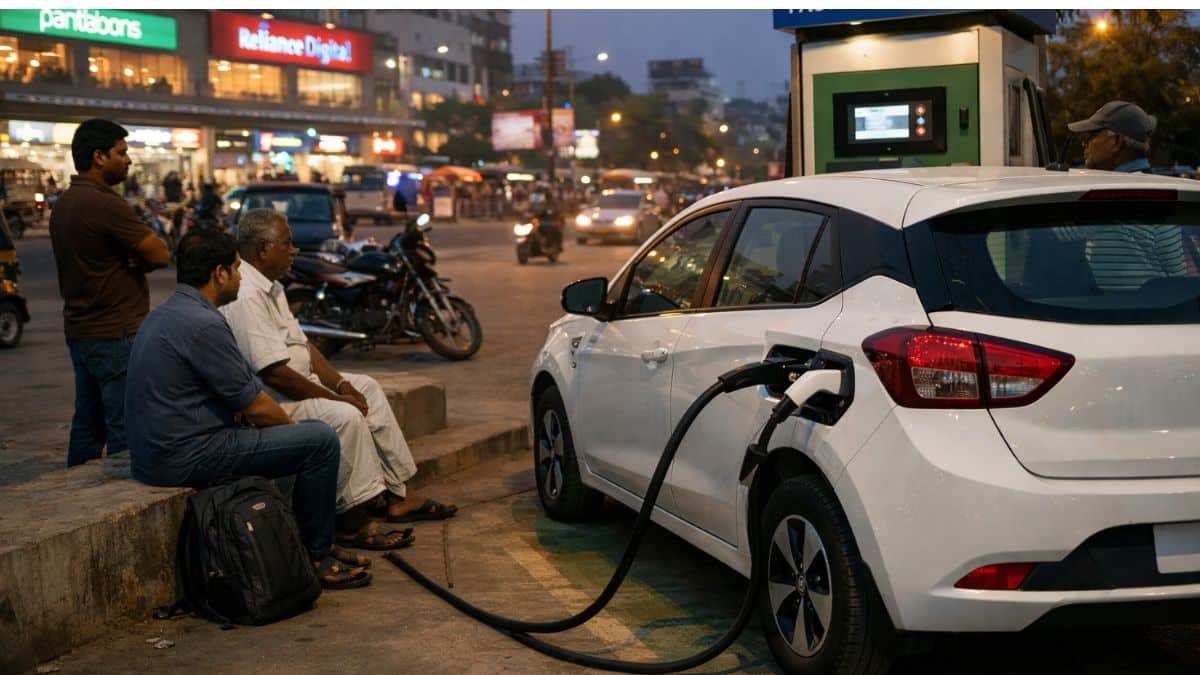

Electric vehicles are often sold with one powerful promise—low running costs. But that promise quietly assumes one thing: home charging access. For EV buyers living in tier-2 Indian cities, especially apartment dwellers or rented homes, this assumption breaks down fast.
Once you remove home charging from the equation, the real economics of EV ownership start to look very different.
Why Tier-2 Cities Change the EV Cost Equation
Tier-2 cities sit in a strange middle ground. They have growing EV adoption, but charging infrastructure is still thin, unevenly distributed, and often unreliable. Unlike metros, you cannot assume a fast charger every few kilometres. Unlike smaller towns, daily travel distances are longer.
This means EV owners without a private charger rely almost entirely on:
🚀 Join Our Tech Community!
Get the latest news, updates, and tech trends delivered straight to your phone. Never miss an update!
- Public fast chargers
- Semi-public chargers at malls, hotels, or dealerships
Each comes with its own cost—financial and practical.
Public Charging Prices vs Home Electricity
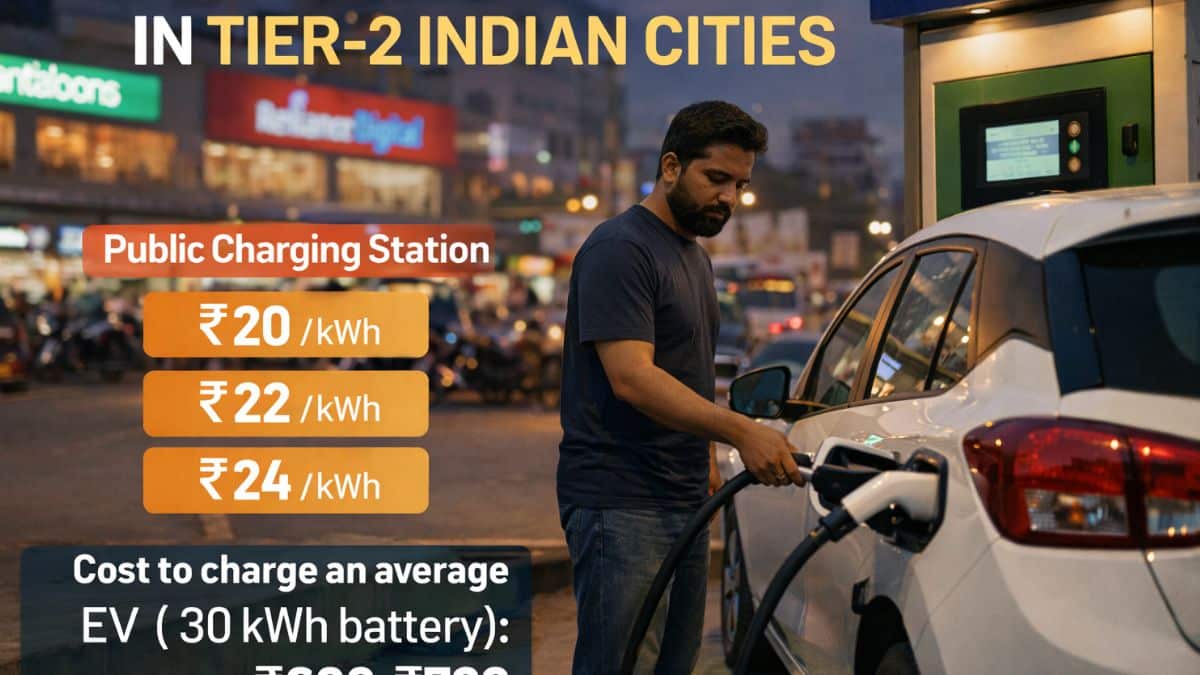
Home charging typically costs between ₹7–₹9 per unit depending on state tariffs. Public charging in tier-2 cities, however, usually ranges from ₹14 to ₹24 per unit.
On paper, this still looks cheaper than petrol. But the gap is far smaller than most buyers expect.
A typical electric car consuming around 0.15–0.18 kWh per km will cost:
- ₹1.1–₹1.6 per km at home
- ₹2.5–₹4 per km on public chargers
That difference compounds quickly over monthly usage.
Monthly Charging Bills Without a Home Charger
For an owner driving about 1,200 km a month:
- Home charging: ₹1,500–₹1,900
- Public charging only: ₹3,000–₹4,800
At this point, EV running costs start approaching small petrol hatchback territory, especially when fuel prices soften.
This is where many buyers feel misled—not because EVs are expensive, but because the ownership model they were sold doesn’t match their living reality.
Time Cost Is the Hidden Expense No One Calculates
Public charging is not just about money. It costs time.
In tier-2 cities:
- Fast chargers are often occupied
- Downtime due to maintenance is common
- Power fluctuations reduce charging speeds
A 30–40 minute charging stop often stretches beyond an hour. Over a month, this adds up to several lost hours—time that petrol car owners never have to plan for.
This “time tax” becomes a major ownership frustration, especially for working professionals and families.
Battery Health Anxiety with Repeated Fast Charging
Another rarely discussed aspect is long-term battery stress. Owners without home chargers depend heavily on DC fast charging, which increases thermal load on the battery pack.
This directly ties into concerns raised in Real-World EV Battery Degradation discussions, where Indian climate conditions already accelerate wear cycles.
While warranties offer coverage, performance drop over time affects real-world range—and resale confidence.
Apartment Living Makes It Worse
Most tier-2 city apartments:
- Lack sanctioned EV charging points
- Have shared parking without power access
- Face RWA approval delays
Even when charging is technically possible, installation costs, approvals, and load upgrades often fall entirely on the owner.
This is similar to how buyers underestimate expenses highlighted in Hidden Ownership Costs discussions in other vehicle segments—except here, the cost is structural, not optional.
Does an EV Still Make Sense Without Home Charging?
It depends on usage patterns.
An EV without home charging makes sense if:
- Daily usage is predictable
- A reliable public charger exists nearby
- The vehicle is used mainly within city limits
It becomes risky if:
- Charging requires detours
- Weekend travel is frequent
- The city has only 1–2 fast charging hubs
In such cases, the stress often outweighs fuel savings.
The Ownership Reality Most Buyers Discover Late
EV marketing focuses on per-km costs. Real ownership is about ecosystem access. Tier-2 cities are improving, but until home charging becomes standard in apartments, EVs remain a calculated compromise for many buyers.