
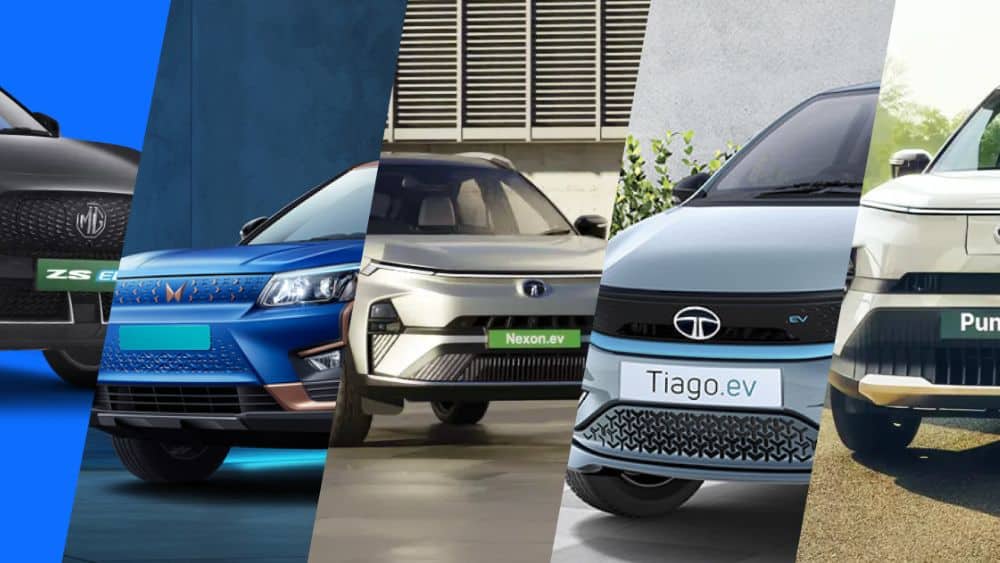
Electric vehicles priced under ₹20 lakh have become a serious and practical choice for Indian buyers in 2026. Better battery efficiency, expanding charging infrastructure, and more mature EV platforms have reduced the gap between electric and petrol cars in everyday usage. This price bracket now offers multiple body styles and use cases instead of compromise-driven options.
The sub-₹20 lakh EV segment is crucial because it targets first-time EV buyers and mass-market adoption. Buyers here look for predictable real-world range, reasonable charging times, and ownership peace of mind rather than experimental technology. Manufacturers have clearly aligned their offerings to these expectations.
This guide covers EVs that are officially on sale in India and relevant for current buying decisions. The focus remains on usability, value, and long-term ownership suitability without mixing breaking news or speculative future launches.
EV SUVs and Compact SUVs Under ₹20 Lakh
- Higher ground clearance and road presence
- Suitable for families and mixed driving conditions
- Balanced range and performance
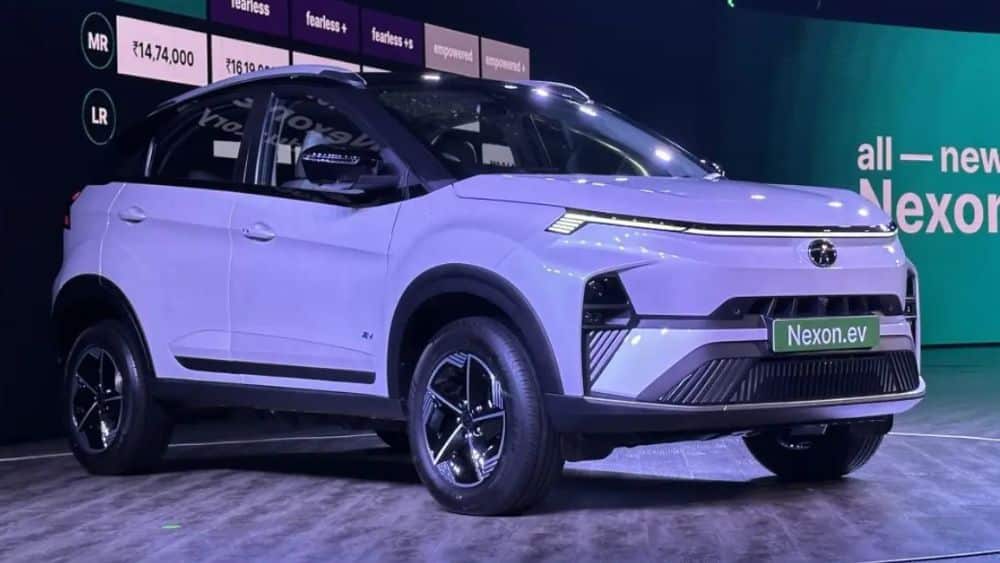
The Tata Nexon EV continues to dominate this segment due to its balanced approach. It offers dependable real-world range, stable highway behaviour, and a strong charging and service ecosystem. For buyers transitioning from ICE compact SUVs, it feels familiar yet future-ready.
🚀 Join Our Tech Community!
Get the latest news, updates, and tech trends delivered straight to your phone. Never miss an update!
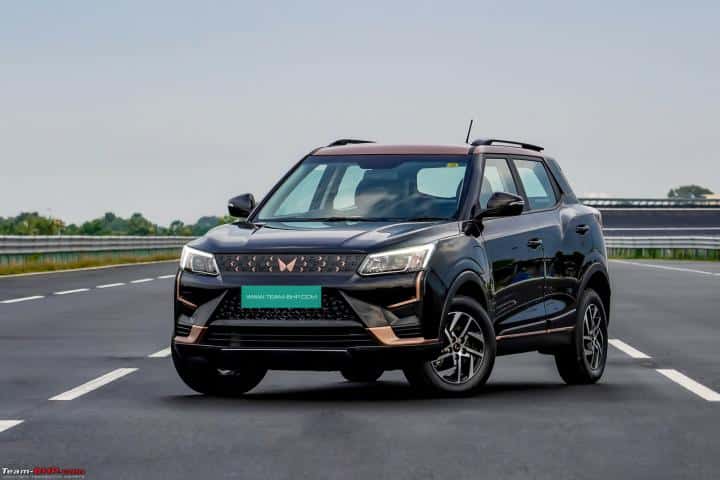
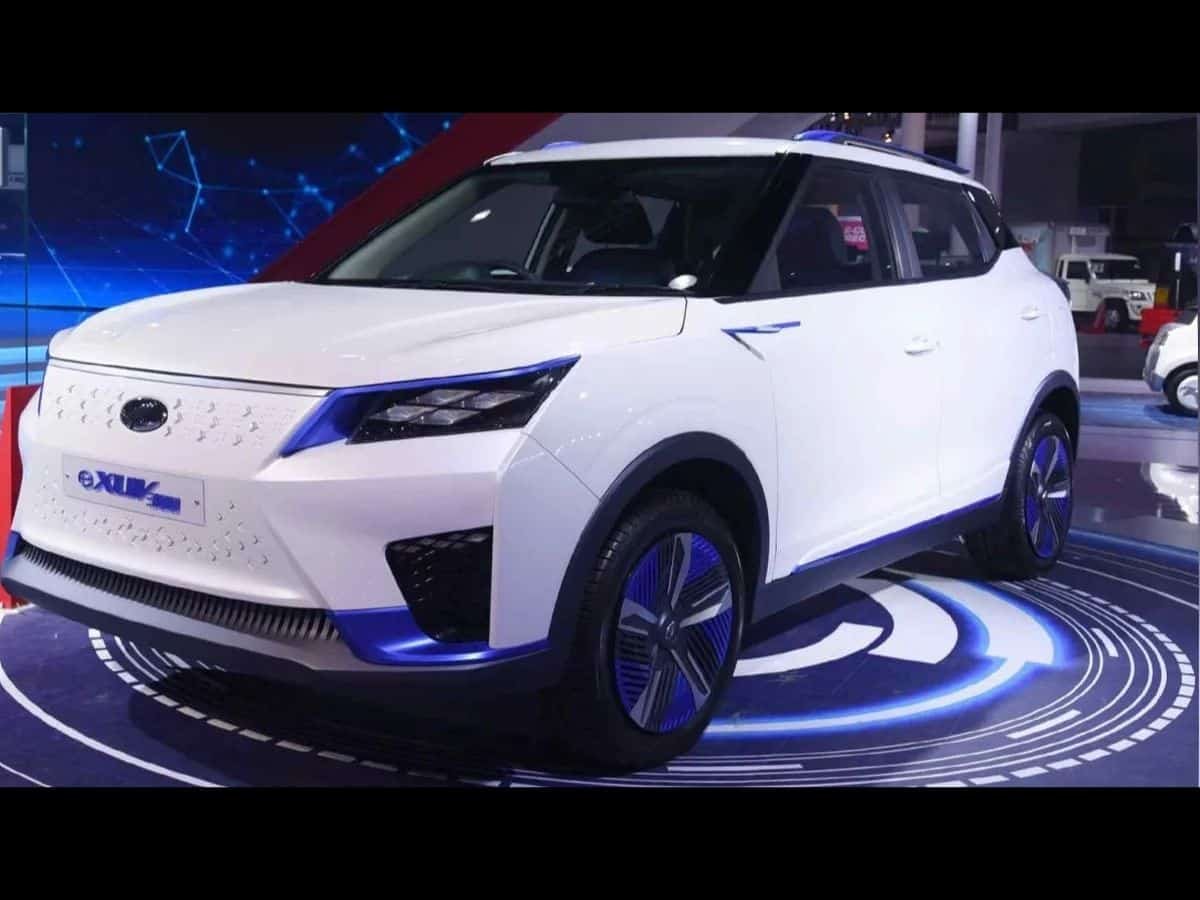
The Mahindra XUV400 EV is aimed at users who value performance and acceleration. Its tuning delivers quicker responses compared to most rivals in the segment, making it appealing for drivers who enjoy spirited city and highway driving while still maintaining practical daily range.
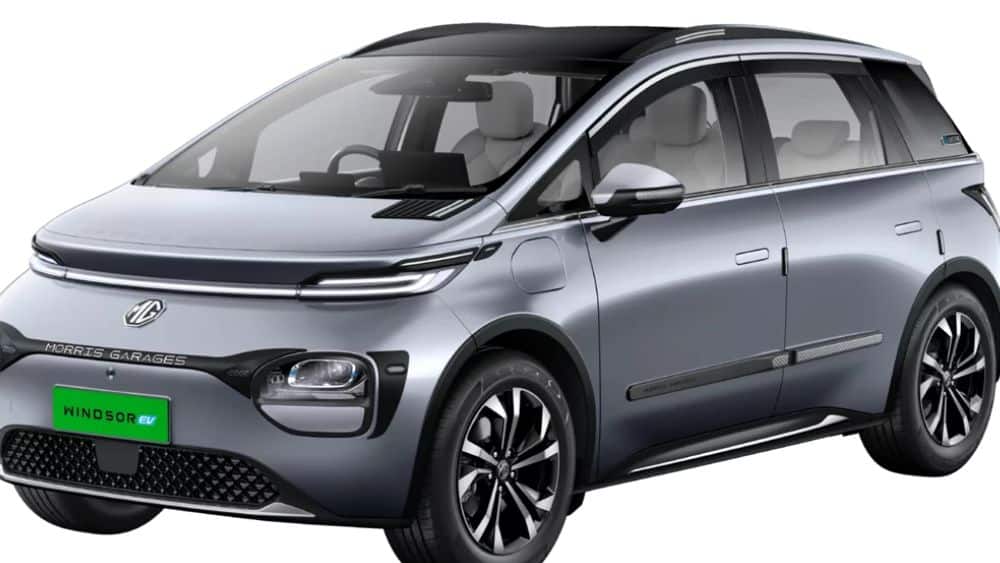
The MG Windsor EV focuses on comfort and cabin experience. With a spacious interior and tech-forward features, it suits buyers who prioritise ease of driving, rear-seat comfort, and a refined urban commuting experience over outright performance.
Affordable Electric Hatchbacks for City Buyers
- Lower purchase cost
- Ideal for daily urban commutes
- Compact size with easy charging
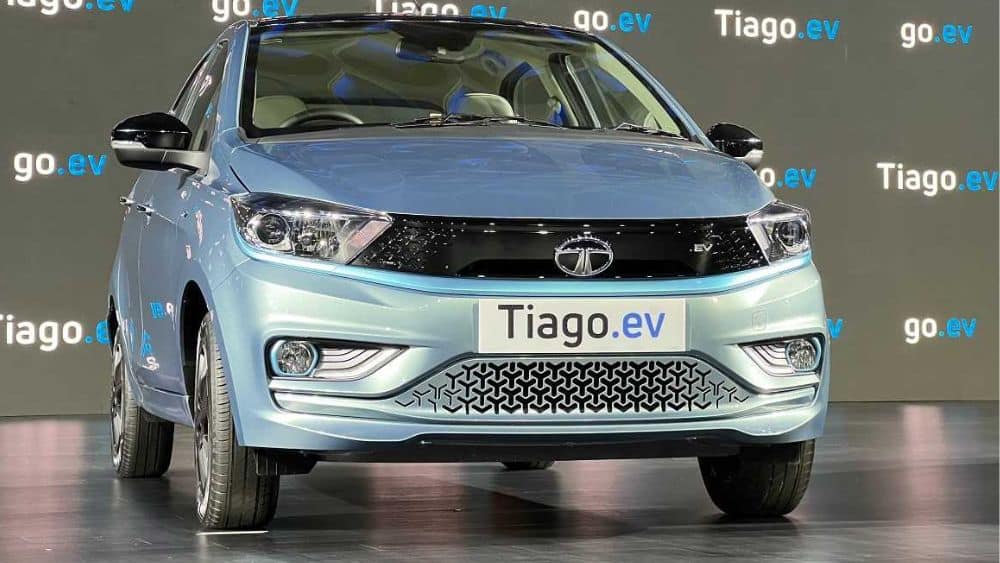
The Tata Tiago EV remains one of the most accessible electric cars in India. It is designed for predictable city usage, offering low running costs and simple ownership. For households looking to enter the EV space without stretching budgets, it continues to make strong sense.
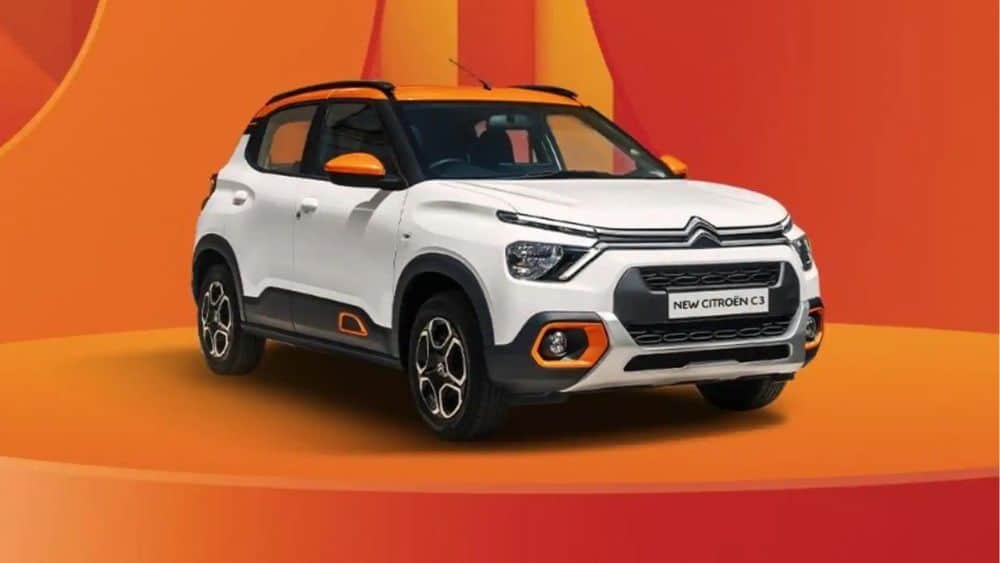
The Citroën eC3 targets younger buyers and families seeking a second car. Its light construction helps with efficiency, and the suspension setup is well suited to Indian road conditions, especially within urban environments.
Electric hatchbacks in this price range are best suited for city-focused driving. While highway range may be limited, they compensate with affordability, ease of use, and minimal ownership complexity for daily commuting needs.
How to Choose the Right EV Under ₹20 Lakh in 2026
- Align real-world range with daily usage
- Assess charging access at home or work
- Prioritise service reach and warranty
Buyers should focus on real-world range rather than brochure figures. For most urban users, a practical range of 250–350 km is sufficient if regular charging is available. Those planning frequent highway trips should consider EVs with larger battery options and consistent fast-charging support.
Charging convenience plays a bigger role than outright power. Home charging compatibility, charging speed, and access to reliable public chargers directly affect daily usability and long-term satisfaction more than acceleration figures.
Ownership experience is the final deciding factor. Battery warranty, manufacturer reliability, and service network strength are especially important in 2026 as EVs increasingly replace petrol cars as primary household vehicles.