
13 January 2026: India’s passenger vehicle market recorded its highest-ever sales in the October–December quarter, posting a year-on-year growth of 20.6 percent. The strong performance reflects sustained consumer demand, improved supply conditions, and continued preference for personal mobility across urban and semi-urban markets.
The record quarter marked a sharp improvement over the same period last year and highlighted the resilience of the passenger vehicle segment. Festive-season buying, combined with better vehicle availability, played a major role in supporting higher volumes during the quarter.
Strong festive-season momentum lifts volumes
The October–December period benefited from an extended festive season, which traditionally drives higher vehicle purchases. Automakers reported steady showroom footfalls and healthy conversion rates, particularly during peak festive weeks.
🚀 Join Our Tech Community!
Get the latest news, updates, and tech trends delivered straight to your phone. Never miss an update!
Key contributors during the festive quarter included:
- Consistent retail demand during festival periods
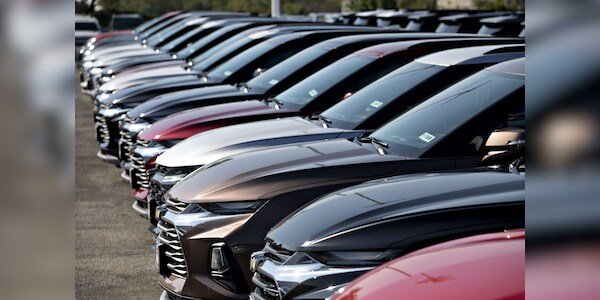
- Improved inventory levels at dealerships
SUVs remain the primary growth driver
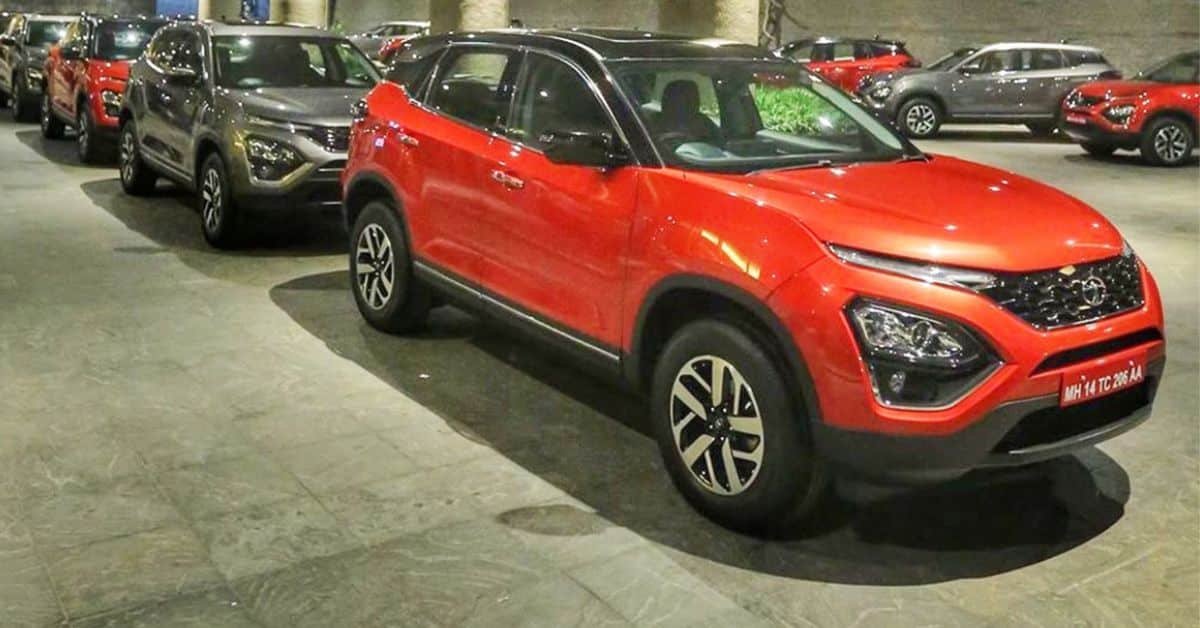
Sport utility vehicles continued to dominate passenger vehicle sales during the quarter. Demand for compact and mid-size SUVs remained strong, driven by customer preference for higher seating position, safety features, and broader model choices.
SUV volumes helped offset relatively slower growth in entry-level hatchbacks, keeping overall market momentum intact.
Improved supply chain stability supports sales
Supply chain conditions were more stable compared to previous periods, allowing manufacturers to respond better to demand. Fewer production disruptions and smoother component availability supported higher dispatches.
This stability helped:
- Reduce waiting periods for popular models
- Speed up conversion of bookings into deliveries
Urban and semi-urban demand remains resilient
Passenger vehicle demand stayed strong across metros as well as tier-two and tier-three cities. Semi-urban markets continued to contribute incremental volumes, supported by first-time buyers and replacement demand.
Expanded dealership networks and improved access to financing further supported sales growth in non-metro regions.
Retail demand outweighs fleet contribution
Growth during the October–December quarter was largely driven by retail buyers. Personal ownership demand remained strong, reflecting evolving mobility preferences and lifestyle-driven upgrades.
This trend reinforced the shift toward private ownership-led growth in the passenger vehicle market.
Calendar year momentum strengthens outlook
The record quarterly performance added momentum to overall calendar year volumes. Consistent growth across multiple quarters has improved confidence around demand stability heading into 2026.
Industry participants view the October–December results as evidence of a structurally stronger passenger vehicle market.
Focus on value and features influences buying decisions
Consumers increasingly prioritised value, safety features, and brand reliability during the quarter. Feature upgrades and refreshed model line-ups played a key role in influencing purchase decisions.
Manufacturers have responded by focusing more on portfolio strength rather than purely volume-driven strategies.
Outlook for the coming quarters
Passenger vehicle demand is expected to remain steady in the near term, although growth rates may normalise from the October–December peak. Continued emphasis on SUVs, new launches, and operational efficiency is expected to support volumes.
Key trends shaping the outlook include:
- Sustained personal mobility demand
- Continued dominance of SUVs
- Stable supply-side conditions