
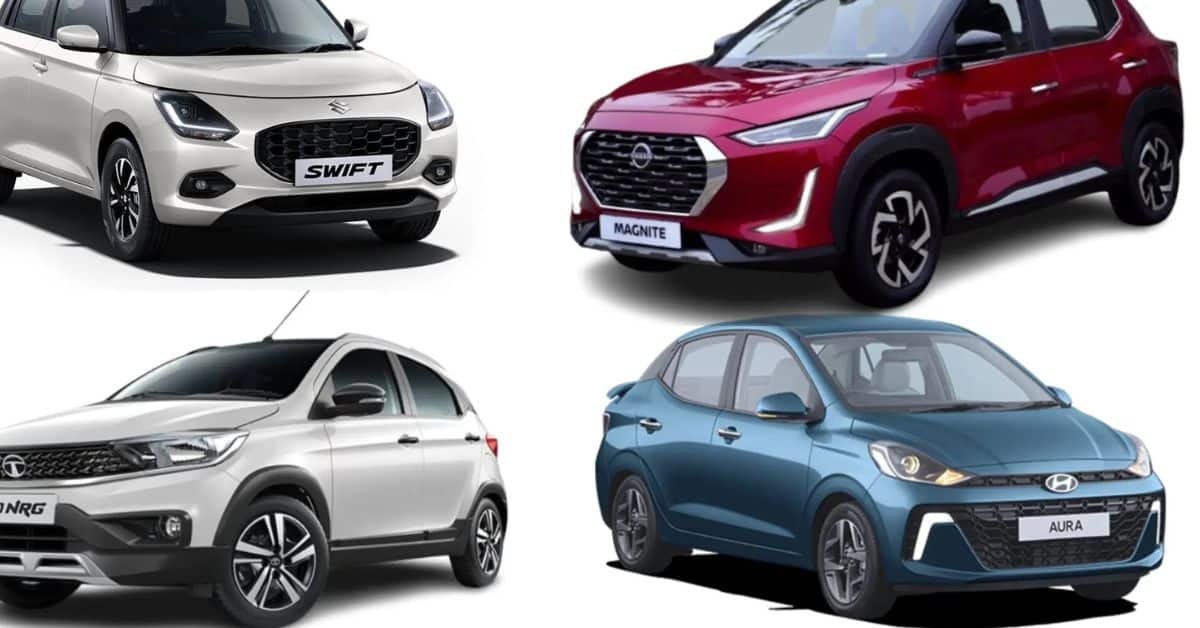

Choosing a car in the sub-₹7 lakh segment is less about identifying one “best” model and more about understanding how different cars are designed to meet everyday needs. Vehicles in this price range are built to deliver reliable daily transport, which means manufacturers prioritise affordability, ease of ownership, and usability over premium features.
Buyers who understand these priorities early tend to make better decisions and remain satisfied with their purchase for longer.
How Manufacturers Balance Cost and Usability
Cars under ₹7 lakh are engineered with cost control in mind. Exterior designs are generally simple, and interior materials are chosen for durability rather than visual appeal. This approach helps keep purchase prices and long-term maintenance costs in check.
Cabin layouts are straightforward, with controls placed for ease of use. While the interiors may feel basic compared to higher segments, this simplicity often proves beneficial over years of ownership, as fewer complex features mean fewer long-term issues.
🚀 Join Our Tech Community!
Get the latest news, updates, and tech trends delivered straight to your phone. Never miss an update!
Engine, Driving, and Daily Use
Engines in this segment are tuned for smooth low-speed performance and fuel efficiency. This suits city driving conditions, where stop-and-go traffic is common and outright power is less important. Manual transmissions dominate because they are easier to maintain and more affordable to repair, keeping ownership predictable.
Highway driving is possible, but these cars are best viewed as city-first vehicles with occasional long-distance use rather than regular high-speed cruisers.
How Buyers Typically Evaluate Models
Most buyers do not shortlist cars under ₹7 lakh based on specifications alone. Instead, they usually compare a small group of well-known entry-level hatchbacks that have established a reputation for reliability and service support.
Models from mass-market manufacturers are often considered at this stage, not because they are permanently “best,” but because they offer familiarity, wide service networks, and stable ownership experiences. Some buyers prefer compact, city-focused cars that are easy to drive and park, while others lean towards slightly more spacious hatchbacks that offer better rear-seat comfort.
The key point is that no single model defines this segment forever. Availability, variants, and pricing evolve over time, so buyers benefit most from understanding how current options align with their usage needs rather than chasing specific names.
Safety, Practicality, and Ownership Expectations
Safety standards in entry-level cars have improved steadily. While advanced driver assistance features are not part of this segment, basic safety equipment is now widely expected. Buyers should focus on meeting essential safety requirements rather than comparing advanced features that add cost without significantly improving daily usability.
Practicality also plays a major role. Compact dimensions help with manoeuvrability and parking, but interior space and comfort vary. Test drives remain important, especially for families who prioritise rear-seat comfort.
Key factors buyers should prioritise
- Ease of driving in city traffic
- Predictable fuel efficiency for daily use
- Basic safety features as standard
- Affordable service and spare parts
- Stable resale value over time
Cars that perform well in these areas tend to offer the most satisfying ownership experience in this price range.